India is not just a landmass - it is a living spiritual civilization. For thousands of years, seekers, saints, kings, and common devotees have walked its sacred paths, drawn by an invisible force called shraddha (faith). Temples in India are not merely places of worship; they are energy centers, built according to sacred geometry, aligned with cosmic principles, and infused with centuries of devotion.
In 2026, with improved access, restored heritage corridors, and renewed spiritual interest, these ten temples stand out as must-visit destinations for every spiritual traveler.
The Spiritual Heart of India
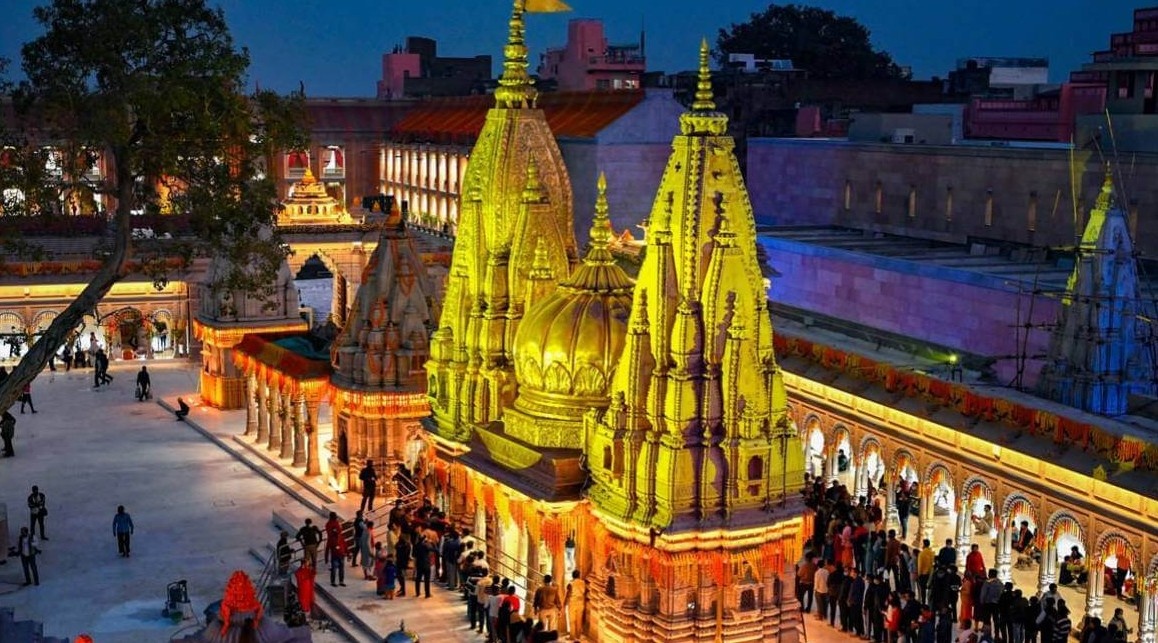
Nestled on the western bank of the sacred River Ganges in Varanasi, Kashi Vishwanath Temple stands as one of the most revered Jyotirlingas in India. Dedicated to Lord Shiva as Vishwanath—the "Lord of the Universe"—this ancient shrine attracts over 10 million pilgrims annually, making it a cornerstone of spiritual tourism in India . The temple's origins trace back to 1490 when it was reconstructed by Maharani Ahilyabai Holkar of Indore, though the original shrine existed millennia before.
Architectural Grandeur Meets Modern Infrastructure
The temple complex showcases the quintessential Nagara style of North Indian architecture, characterized by its towering spire (shikhara) plated with 800 kilograms of pure gold. This golden dome, visible from miles away, gives the temple its nickname—"The Golden Temple of Varanasi." The main sanctum houses the sacred Jyotirlinga, a black stone cylinder 60 centimeters tall and 90 centimeters in circumference, representing the infinite nature of Shiva .
The Kashi Vishwanath Corridor, inaugurated in 2021, has transformed the visitor experience. This massive redevelopment project expanded the temple complex from 3,000 to over 5 lakh square feet, creating wide pathways, modern amenities, and direct access to the Ganges. In 2026, pilgrims benefit from enhanced facilities including improved queue management, clean restrooms, and better security—making darshan more accessible than ever .
2026 Visitor Information & Travel Tips
Temple Timings: The sanctum opens at 3:00 AM with the Mangala Aarti (exclusive VIP access) and remains open until 11:00 PM. The general public can enter from 4:00 AM. Key aarti times: Bhog Aarti (11:15 AM), Saptarishi Aarti (7:00 PM), and Shringar Aarti (9:00 PM) .
Best Time to Visit 2026: Plan your visit between October and March for pleasant weather. However, 2026 offers special opportunities:
Maha Shivaratri (February 26, 2026): The most auspicious day with extended celebrations
Ganga Mahotsav (November 2026): Cultural festival on the ghats
Dev Deepawali (November 2026): The festival of lights on the Ganges
How to Reach:
By Air: Lal Bahadur Shastri International Airport (25 km)
By Rail: Varanasi Junction (4 km) or Kashi Railway Station (1 km)
By Road: Well-connected via NH19 and NH31
Entry: Free for all, with special paid aarti passes available online. Dress modestly; photography prohibited inside the sanctum.
Beyond the Temple: Varanasi Experiences
Combine your spiritual journey with Heritage Walks through Kashi—exploring narrow lanes, ancient akhadas, and traditional bazaars. Don't miss the Ganga Aarti at Dashashwamedh Ghat every evening at 6:30 PM, a spectacular ritual with fire, chants, and thousands of lamps . Nearby attractions include the Bharat Mata Temple, Sankat Mochan Hanuman Temple, and the ancient Banaras Hindu University campus.
The World's Richest Temple
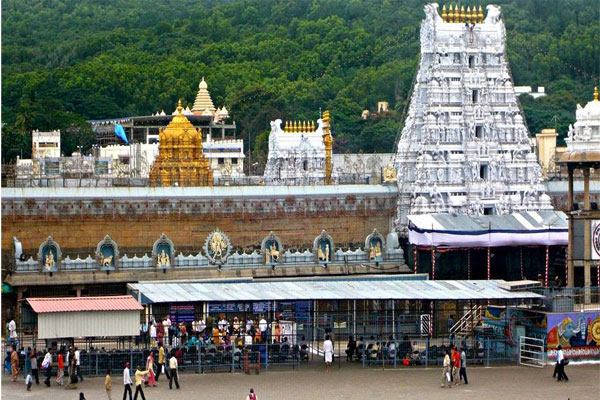
Perched atop the lush Tirumala hills at 853 meters above sea level, Sri Venkateswara Temple—affectionately known as Tirupati Balaji—is not just a religious site but a phenomenon. As the richest temple in the world by donations, it receives over 50,000 visitors daily, with numbers swelling to 100,000+ during festivals. The temple's annual revenue exceeds ?3,000 crore, funding massive charitable institutions including universities, hospitals, and free meal programs that serve 100,000 devotees daily .
Dravidian Architecture at Its Peak
The temple exemplifies Dravidian architecture, featuring a magnificent gopuram (gateway tower) adorned with intricate sculptures depicting scenes from Vaishnavite mythology. The main sanctum houses the deity Sri Venkateswara—an incarnation of Lord Vishnu—standing 8 feet tall, adorned with the world's largest emerald and diamonds worth millions. The idol is believed to be self-manifested (swayambhu), adding to its mystique .
Unique rituals define the Tirupati experience. The "Suprabhatam" (awakening ceremony) at 2:30 AM, the "Thomala Seva" (flower decoration), and the famous "Laddu Prasadam"—a sweet distributed to millions—are traditions maintained for centuries. The temple's hair tonsuring ritual sees over 10 million devotees shave their heads annually as an offering, generating significant revenue for the temple's charitable activities .
2026 Pilgrimage Planning Guide
Temple Timings: Open 24 hours, but specific sevas have scheduled times. General darshan queues operate round-the-clock.
Best Time to Visit 2026:
Brahmotsavam (September-October 2026): The nine-day annual festival featuring the processional deity on various vahanas (vehicles)
Vaikunta Ekadasi (December 2026/January 2027): The most auspicious day for Vaishnavites
Weekdays (Tuesday-Thursday) for shorter queues
How to Reach:
By Air: Tirupati Airport (40 km from Tirumala)
By Rail: Tirupati Railway Station (26 km uphill)
By Road: APSRTC buses operate every 15 minutes from Tirupati to Tirumala; private vehicles allowed with prior booking
Accommodation: The Tirumala Tirupati Devasthanams (TTD) operates over 5,000 rooms across various complexes—book online 60 days in advance. Free accommodation halls are also available for budget travelers .
Special 2026 Services: The temple has enhanced its online booking system, offering virtual queue tokens and real-time crowd updates via the official TTD app.
Beyond Darshan: Tirumala Experiences
Explore the Silathoranam—a natural rock formation believed to be the hood of Adisesha. Visit Papavinasanam and Akasaganga waterfalls for sacred baths. The Sri Venkateswara Museum showcases temple history, while the Tirupati town below offers the Govindaraja Temple and Kapila Theertham waterfall.
A Civilizational Milestone
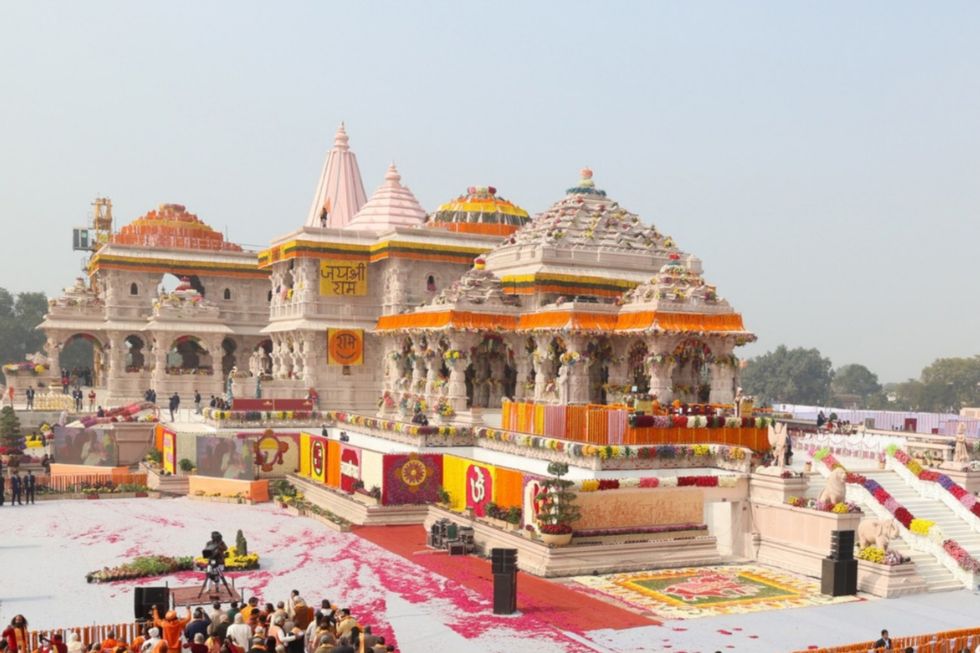
The Shri Ram Janmabhoomi Mandir in Ayodhya represents more than a temple—it symbolizes the rebirth of cultural consciousness and the culmination of a 500-year journey. Inaugurated on January 22, 2024, by Prime Minister Narendra Modi, this grand edifice has already transformed Ayodhya into India's premier spiritual destination, attracting over 100 million visitors in its first year—a figure projected to double by 2026 .
Nagara Architecture Reimagined
Designed by renowned architect Chandrakant Sompura, the temple spans 2.7 acres with a built-up area of 57,400 square feet across three stories. The structure rises 161 feet (49 meters) with 392 pillars and 44 doors, constructed entirely without steel or iron—using only Bansi Paharpur pink sandstone and white Makrana marble. The sanctum houses the Ram Lalla idol, depicting the child Rama standing on a lotus, sculpted by Arun Yogiraj from a single block of black granite .
The temple complex includes four functional shrines dedicated to Surya, Ganesha, Shiva, and Durga at the corners, following the Nagara style with intricate carvings depicting scenes from the Ramayana, Mahabharata, and Puranas.
2026: Ayodhya's Transformation
Ayodhya has undergone a $10 billion infrastructure overhaul, making 2026 the ideal time to visit:
Maharishi Valmiki International Airport: Direct flights from Delhi, Mumbai, Bangalore, and Hyderabad
Ayodhya Dham Junction: Revamped railway station with world-class facilities
Ram Path: A 13-km beautified corridor connecting the railway station to the temple, lined with murals and sculptures
Visitor Information 2026:
Timings: 6:30 AM – 10:00 PM (subject to change during festivals)
Free Darshan: Available for all, with VIP passes for special aartis
Dress Code: Traditional Indian attire recommended; shorts and sleeveless tops prohibited
Security: High-tech scanners and baggage restrictions in place
Best Time to Visit 2026:
Ram Navami (April 2026): Grand celebrations marking Rama's birth
Deepotsav (October/November 2026): Guinness World Record holder for lighting over 2.8 million diyas along the Saryu River
January 22, 2026: Second anniversary celebrations with special events
Ayodhya Beyond the Temple
The Ram Janmabhoomi complex includes the Kuber Tila museum showcasing artifacts from the excavation. Visit Hanuman Garhi, Kanak Bhawan, and Saryu Ghat for the evening aarti. The upcoming Vedic City project promises immersive cultural experiences by 2026.
The Temple City Crown Jewel
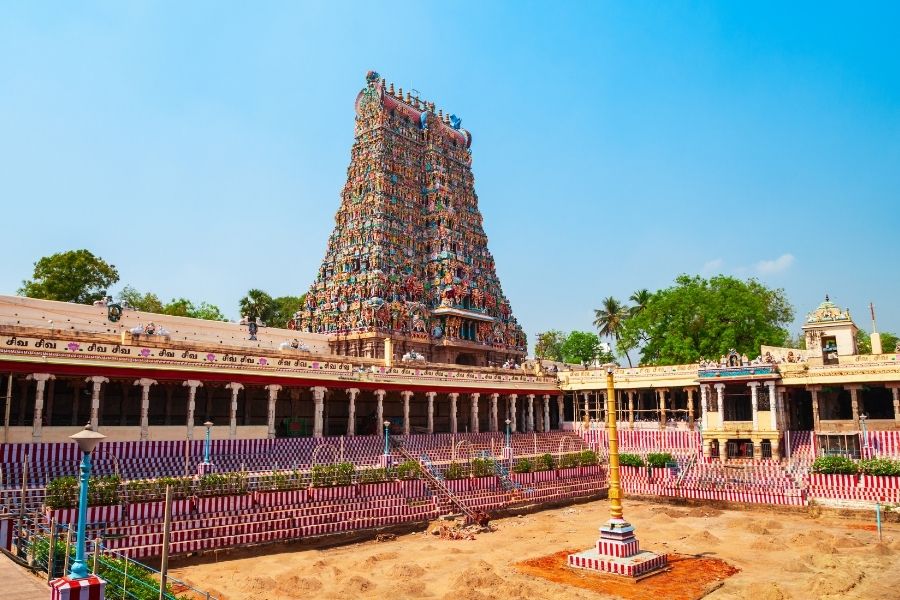
Dominating the skyline of Madurai—one of the world's oldest continuously inhabited cities—the Meenakshi Amman Temple is a masterpiece of Dravidian architecture and a living testament to the power of the Divine Feminine. Dedicated to Goddess Meenakshi (Parvati) and her consort Sundareswarar (Shiva), this 2,500-year-old complex draws over 20 million visitors annually, making it one of South India's most significant pilgrimage centers .
Architectural Poetry in Stone
The temple complex covers 45 acres enclosed by massive fortress-like walls, featuring 14 towering gopurams (gateway towers) adorned with over 33,000 vibrant sculptures depicting mythological scenes. The tallest, the South Tower, rises 170 feet (52 meters) and offers panoramic views of Madurai. The Golden Lotus Tank (Potramarai Kulam) within the complex is considered sacred, with legends claiming it can judge the merit of literary works floated upon its waters .
The Thousand Pillar Hall (Ayiram Kaal Mandapam) is an engineering marvel—each pillar produces a different musical note when struck. The temple's art gallery displays intricate stone carvings and ancient paintings, while the Museum houses rare artifacts from the Pandyan and Nayak dynasties.
2026 Festival Calendar & Visitor Guide
Temple Timings: 5:00 AM – 12:30 PM and 4:00 PM – 10:00 PM
Best Time to Visit 2026:
Chithirai Thiruvizha (April-May 2026): The 15-day Meenakshi Tirukalyanam (divine wedding) festival attracts millions
Teppam Festival (January/February 2026): The Float Festival on the temple tank
Navaratri (October 2026): Nine nights of music and dance celebrations
How to Reach:
By Air: Madurai International Airport (12 km)
By Rail: Madurai Junction (1 km)
By Road: Well-connected via NH7 and NH45
Entry: Free for temple; nominal fee for museum and art gallery. Foreign nationals must register at the dedicated counter.
2026 Updates: The temple has enhanced its night lighting, making the illuminated gopurams a spectacular sight after sunset. New audio guides in 12 languages are available for international visitors.
Madurai Experiences
Explore the Madurai Flower Market—Asia's largest—at dawn. Visit the Thirumalai Nayakkar Palace for its stunning Indo-Saracenic architecture. Don't miss the Jigarthanda, a local cold beverage, and the Madurai Malli (jasmine) markets. The Gandhi Museum and Koodal Azhagar Templeadd historical depth to your spiritual journey.
The Eternal Phoenix of Temples
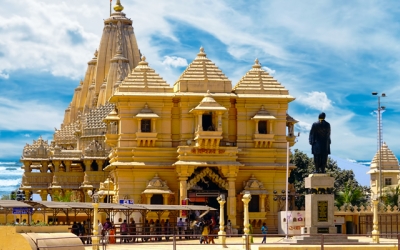
On the western coast of Gujarat, where the Arabian Sea meets the land, stands the Somnath Temple—a symbol of resilience and unwavering faith. Known as the "Shrine Eternal," this Jyotirlinga has been destroyed and rebuilt 17 times over the centuries, most recently in 1951. The current structure, built in the Chalukya style of temple architecture, represents India's indomitable spirit and draws over 10 million visitors annually .
Chalukya Architecture by the Sea
The present temple, designed by master architect Prabhashankarbhai Oghadbhai, rises 155 feet (47 meters) above the coastline, with the main shikhara (spire) reaching 50 meters. Constructed from light-colored sandstone, the temple features intricate carvings of deities, celestial dancers, and mythological scenes. The Baan Stambh (Arrow Pillar) on the sea protection wall bears an inscription stating that there is no land mass between this point and the South Pole—a claim verified by modern geography .
The temple's location at the Triveni Sangam—the confluence of three rivers (Hiran, Kapila, and Saraswati)—adds to its sanctity. The Sound and Light Show every evening narrates the temple's tumultuous history, from its first construction by the Moon God to its repeated destruction by foreign invaders and final reconstruction post-Independence.
2026 Coastal Pilgrimage Guide
Temple Timings: 6:00 AM – 9:00 PM daily
Best Time to Visit 2026:
Maha Shivaratri (February 26, 2026): Special celebrations with extended darshan hours
Kartik Purnima (November 2026): Full moon celebrations by the sea
Winter months (November-February): Pleasant weather for coastal exploration
How to Reach:
By Air: Diu Airport (63 km) or Rajkot Airport (200 km)
By Rail: Veraval Railway Station (5 km) - connected to major cities
By Road: Well-connected via NH51; scenic coastal drive from Porbandar (120 km)
Accommodation: The Gujarat Tourism Development Corporation operates the Somnath Trust Guest Houses and luxury tents near the temple. Private resorts along the coastline offer sea-view rooms.
2026 Developments: The Somnath Circuit tourism project has improved road connectivity to nearby attractions. New eco-friendly resorts have opened along the coast, promoting sustainable tourism.
Beyond Somnath: Gujarat's Spiritual Coast
Visit the Bhalka Tirth, where Lord Krishna is believed to have left his mortal body, just 5 km away. The Dehotsarg Teerth and Triveni Sangam Ghat offer peaceful meditation spots. Explore the Gir National Park (43 km) for Asiatic lions, and the Diu Island (65 km) for Portuguese heritage and beaches.
The Char Dham Crown Jewel
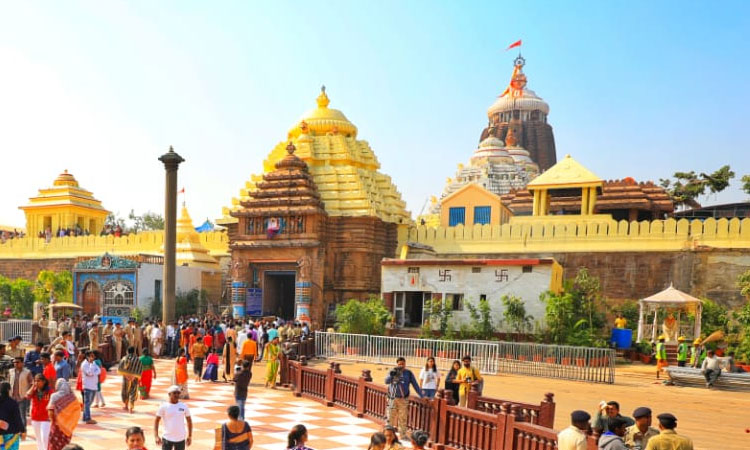
In the coastal town of Puri, Odisha, rises the majestic Jagannath Temple—one of the four holiest shrines (Char Dham) in Hinduism and the epicenter of the world's largest chariot festival. Dedicated to Lord Jagannath (Krishna), along with his siblings Balabhadra and Subhadra, this 12th-century temple is unique for its non-Brahminical traditions and accessibility to devotees of all castes—a revolutionary concept for its time .
Kalinga Architecture: A Skyscraper of Stone
Built in the Kalinga style of architecture, the temple complex covers 400,000 square feet and is surrounded by two massive walls—the Kurma Bheda (inner) and Meghanada Pacheri (outer). The main Deula (sanctum) rises 214 feet (65 meters), making it one of the tallest temples in India. The Nila Chakra (Blue Wheel), a 20-foot diameter discus atop the spire made of eight metals, is considered as sacred as the deities themselves .
The temple kitchen, known as the Rosaghara, is the world's largest, preparing 56 varieties of offerings (Mahaprasad) daily for 50,000+ devotees using traditional wood-fired clay ovens. The Mahaprasad, cooked in earthen pots stacked one atop another, is considered blessed and is available at the Ananda Bazaar outside the temple.
2026: The Rath Yatra Experience
The Rath Yatra (Chariot Festival) in June-July 2026 is a once-in-a-lifetime experience:
Three massive chariots—Nandighosa (Jagannath), Taladhwaja (Balabhadra), and Darpadalana (Subhadra)—are pulled by over 100,000 devotees
The deities travel to the Gundicha Temple (3 km) for a 9-day stay
Lakhs of pilgrims converge on Puri during this UNESCO-recognized intangible heritage event
Temple Timings: 5:00 AM – 12:00 AM and 4:00 PM – 11:00 PM (closed for general public during specific rituals)
Best Time to Visit 2026:
Rath Yatra (June/July 2026): The grand chariot festival
Snana Yatra (June 2026): The ceremonial bathing festival
Winter (November-February): Pleasant weather for coastal exploration
How to Reach:
By Air: Biju Patnaik International Airport, Bhubaneswar (60 km)
By Rail: Puri Railway Station (2 km from temple)
By Road: Well-connected via NH316; scenic drive from Bhubaneswar
Entry: Only Hindus allowed inside the sanctum; non-Hindus can view from the Raghunandan Library rooftop.
2026 Updates: The temple has implemented a new e-darshan system to manage crowds. The Shree Jagannath Heritage Corridor project has beautified the approach roads and added visitor amenities.
Puri's Spiritual Ecosystem
Visit the Gundicha Temple (Garden House of Jagannath), the Loknath Temple (dedicated to Shiva), and the Swargadwar (heavenly gateway) cremation ground, believed to grant moksha. The Puri Beach offers spiritual cleansing dips, while the Sudarshan Crafts Museum showcases traditional Odishan art.
The Highest Abode of Shiva
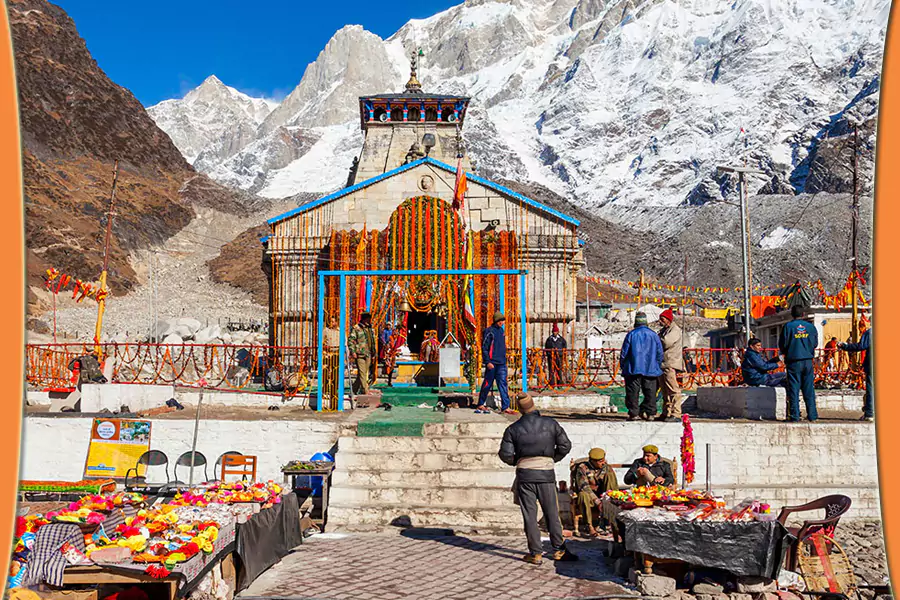
Perched at 3,583 meters (11,755 feet) in the Garhwal Himalayas, Kedarnath Temple is the most remote and spiritually charged of the twelve Jyotirlingas. Surrounded by snow-capped peaks and accessible only by a steep trek or helicopter, this temple dedicated to Lord Shiva as the "Lord of Kedar" represents the ultimate pilgrimage of endurance and devotion. Part of the sacred Char Dham Yatra and Panch Kedar circuit, Kedarnath draws over 500,000 pilgrims during its brief six-month opening season .
Himalayan Architecture: Stone and Faith
Unlike other temples, Kedarnath is built entirely of massive grey stone slabs, with walls 12 feet thick, designed to withstand the harsh Himalayan winters and heavy snowfall. The temple's conical Shiva lingam is unique—unlike the usual cylindrical form, it's a natural rock formation worshipped as Sadashiva (the eternal Shiva). The Garbagriha (sanctum) and Mandapa (hall) showcase austere Himalayan architecture, with intricate carvings of deities and mythological figures .
The temple's location at the head of the Mandakini River, surrounded by the Kedarnath range including the majestic Kedarnath Peak (6,940 meters) and Kedar Dome (6,831 meters), creates an atmosphere of profound serenity. The Samadhi of Adi Shankaracharya, located behind the temple, marks where the 8th-century philosopher attained enlightenment.
2026 Char Dham Yatra Planning
Temple Timings: 4:00 AM – 3:00 PM and 5:00 PM – 9:00 PM (closes for winter on Kartik Purnima, reopens Akshaya Tritiya)
Opening Dates 2026: Expected April/May 2026 (Akshaya Tritiya) to November 2026 (Kartik Purnima)
How to Reach:
By Air: Jolly Grant Airport, Dehradun (239 km) + helicopter services to Phata/Sersi/Guptkashi
By Rail: Rishikesh Railway Station (216 km)
By Road: Gaurikund (16 km trek) - motorable till here; pony/palanquin services available
Helicopter: Regular services from Phata, Guptkashi, and Sersi (10-minute flight to Kedarnath)
Registration: Mandatory biometric registration for Char Dham Yatra 2026—complete online at the official Uttarakhand portal or at registration centers in Haridwar/Rishikesh.
Accommodation: Limited options at Kedarnath—GMVN guest houses, private lodges, and tent colonies. Book months in advance. Most pilgrims stay at Guptkashi or Sonprayag and trek up.
2026 Infrastructure: The new Ropeway Project (under construction) aims to reduce trek time significantly by 2026. Improved medical facilities and oxygen centers have been added along the trek route.
The Kedarnath Trek Experience
The 16 km trek from Gaurikund (1,982 meters) to Kedarnath (3,583 meters) is challenging but rewarding:
Rambara (7 km): Midway point with basic facilities
Garud Chatti (10 km): Waterfall and rest stop
Linchauli (13 km): Final stop before the steep ascent
Best Time to Visit 2026:
May-June: Pleasant weather, clear views
September-October: Post-monsoon greenery, fewer crowds
Avoid July-August: Monsoon landslide risks
Beyond Kedarnath: Panch Kedar Circuit
Combine with the Panch Kedar temples: Tungnath (highest Shiva temple), Rudranath, Madhyamaheshwar, and Kalpeshwar. Visit Badrinath (40 km by road via Joshimath) to complete the Do Dham circuit. The Valley of Flowers and Hemkund Sahib are accessible from Govindghat, en route to Badrinath.
The Soul of Sikhism
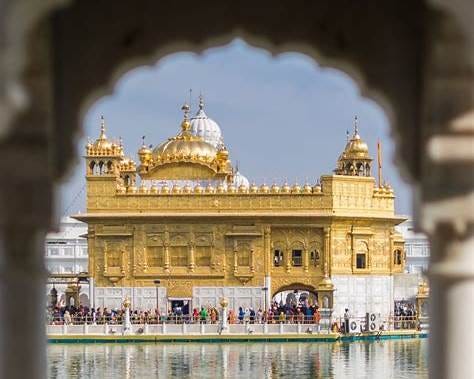
The Sri Harmandir Sahib, universally known as the Golden Temple, is Sikhism's holiest shrine and a beacon of human equality and service. Located in the heart of Amritsar, Punjab, this stunning gurdwara welcomes over 100,000 visitors daily—regardless of religion, caste, gender, or nationality—making it one of the world's most inclusive spiritual sites. The temple's four entrances symbolize openness to all four castes and directions, embodying the Sikh principle of "Sarbat da Bhala" (welfare of all) .
Architecture of Inclusion
The temple's unique Sikh architecture blends Hindu and Islamic styles, reflecting the religion's inclusive philosophy. The Adi Granth (holy scripture) is housed in the sanctum, covered in 750 kilograms of pure gold—hence the name "Golden Temple." The structure sits in the center of the Amrit Sarovar (Pool of Nectar), a sacred tank surrounded by white marble walkways. The Dukh Bhanjani Beri, a historic jujube tree, and the Ath Sath Tirath (shrine of 68 pilgrimages) add to the complex's sanctity .
The Akal Takht (Throne of the Timeless One), facing the Golden Temple, is the highest temporal seat of Sikh authority. The Central Sikh Museum within the complex houses rare manuscripts, weapons, and portraits of Sikh gurus and martyrs.
The Langar: World's Largest Free Kitchen
The Guru Ka Langar serves over 100,000 free meals daily, 24/7, prepared by volunteers (sevadars). This community kitchen operates on donations and volunteer labor, serving simple, nutritious vegetarian food—dal, roti, rice, and kheer—to all visitors regardless of status. The massive langar hall can seat 5,000 people at once, with rows of volunteers rolling chapatis, stirring massive cauldrons, and washing thousands of steel plates in an efficient, hygienic system.
2026 Visitor Guide & Practical Information
Temple Timings: Open 24 hours, 365 days. The Guru Granth Sahib is carried in a golden palanquin in a procession (Prakash) at 4:00 AM and retired (Sukhasan) at 10:00 PM.
Best Time to Visit 2026:
Vaisakhi (April 13, 2026): Sikh New Year and harvest festival with massive celebrations
Guru Nanak Jayanti (November 2026): Birth anniversary celebrations with illuminations
Winter (November-March): Pleasant days, crisp nights; the temple is spectacular in misty mornings
How to Reach:
By Air: Sri Guru Ram Dass Jee International Airport (11 km)
By Rail: Amritsar Junction (2 km)
By Road: Well-connected via NH3 and NH54; 450 km from Delhi (6-hour drive)
Entry: Free for all. Head covering mandatory (scarves available at entrances). Shoes removed at designated areas. Photography allowed except in certain inner areas.
2026 Developments: The Heritage Street Project has beautified the approach from the railway station to the temple with traditional facades, pedestrian zones, and lighting. New interpretation centers offer deeper insights into Sikh history.
Amritsar's Spiritual & Historical Tapestry
Visit the Jallianwala Bagh (5-minute walk) to pay respects to the 1919 massacre victims. The Wagah Border (28 km) hosts the dramatic daily flag-lowering ceremony between India and Pakistan. Explore the Partition Museum, Durgiana Temple (Silver Temple), and indulge in Amritsari kulchas and lassi in the old city's food streets.
The Guardian of the South
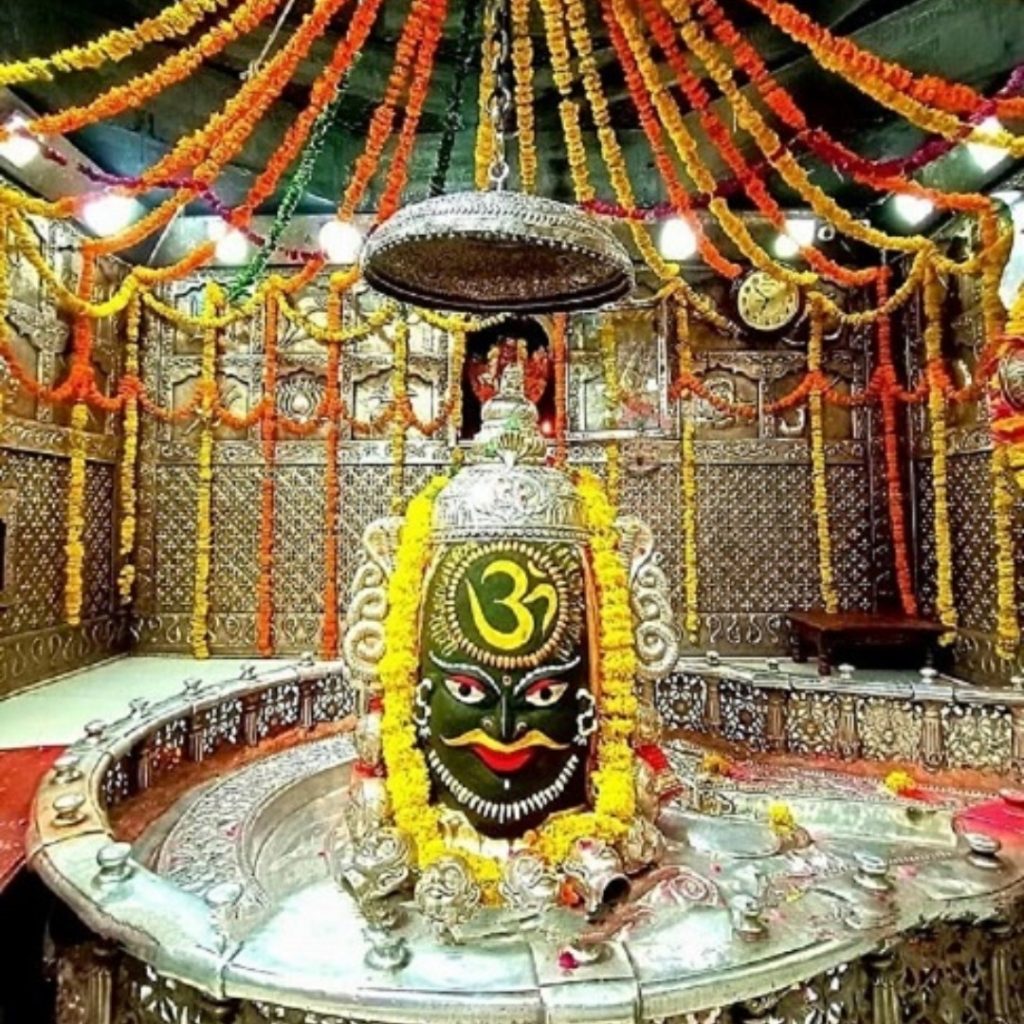
In the ancient city of Ujjain—one of the seven sacred cities (Sapta Puri) in Hinduism—stands the Mahakaleshwar Temple, home to one of the twelve Jyotirlingas and the only one facing south (dakshinamukhi). This unique orientation gives the deity the title "Dakshinamurti"—the compassionate one who watches over the southern direction and grants moksha (liberation) to devotees. The temple draws over 5 million pilgrims annually, especially during the Simhastha Kumbh Mela .
The Tantric Architecture of Power
Built in the Bhumija, Chalukya, and Maratha architectural styles, the temple complex features five levels, with the Jyotirlinga situated in a subterranean chamber (garbhagriha) that feels like a cave—creating an atmosphere of mystery and ancient power. The lingam is believed to be swayambhu (self-manifested), radiating spiritual energy from the earth itself .
The temple's copper-plated spire and marble-inlaid corridors showcase Maratha craftsmanship. The Omkareshwar Mahadev temple within the complex and the Ganapati shrine add to the spiritual ecosystem. The Koti Tirtha tank and Kshipra River ghats surrounding the temple are considered sacred for ritual baths.
The Bhasma Aarti: A Unique Ritual
The Bhasma Aarti (Ash Ritual) at 4:00 AM is Mahakaleshwar's most distinctive tradition. The Jyotirlinga is worshipped with sacred ash from fresh funeral pyres, symbolizing the transient nature of life and the eternal nature of Shiva. This powerful ritual requires special passes and draws devotees seeking spiritual transformation and relief from untimely death (akaal mrityu).
2026: Simhastha Kumbh Mela – A Once-in-12-Years Event
2026 is EXTRAORDINARY for Mahakaleshwar—the Simhastha Kumbh Mela (April 22 – May 21, 2026) will transform Ujjain into the world's largest spiritual gathering:
100+ million pilgrims expected over the month-long festival
Shahi Snan (Royal Baths) on specific dates in the Kshipra River
Naga Sadhus, Akharas, and spiritual discourses
Cultural programs, yagna ceremonies, and processions
Temple Timings: 4:00 AM – 11:00 PM. Bhasma Aarti at 4:00 AM (book online in advance).
Best Time to Visit 2026:
Simhastha Kumbh Mela (April-May 2026): The grandest spiritual gathering
Maha Shivaratri (February 26, 2026): Special celebrations
Regular months (October-March): Pleasant weather, manageable crowds
How to Reach:
By Air: Devi Ahilyabai Holkar Airport, Indore (55 km)
By Rail: Ujjain Junction (2 km from temple)
By Road: Well-connected via NH52; 180 km from Bhopal, 55 km from Indore
Accommodation: Book months in advance for Kumbh Mela 2026. The MP Tourism Development Corporation operates hotels and guest houses. Tent cities will be set up for the Kumbh.
2026 Infrastructure: Massive preparations for Simhastha include expanded ghats, improved sanitation, medical facilities, and temporary bridges over the Kshipra.
Ujjain: The City of Temples
Explore the Kal Bhairav Temple (where liquor is offered to the deity), Harsiddhi Temple (Shaktipeeth with twin lamp towers), Chintaman Ganesh Temple, and Sandipani Ashram (where Krishna and Sudama studied). The Vedh Shala Observatory (Jantar Mantar) showcases ancient Indian astronomy.
21st Century Spirituality
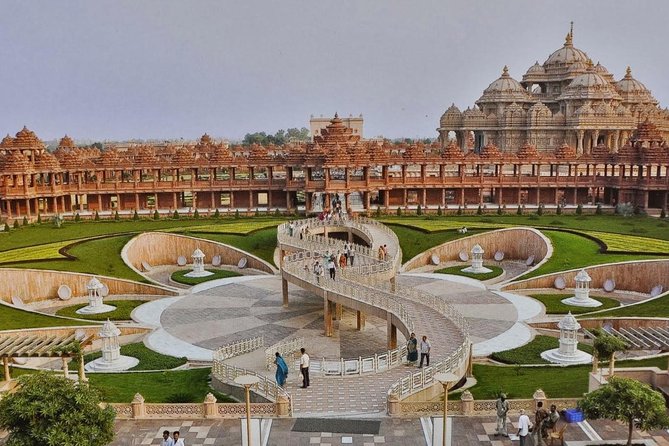
In the bustling capital of India rises Swaminarayan Akshardham—a breathtaking monument to modern Hindu architecture, culture, and spirituality. Inaugurated in 2005, this sprawling complex on the banks of the Yamuna River has become one of the world's largest comprehensive Hindu temples, attracting over 8 million visitors annually. Unlike ancient temples, Akshardham represents contemporary India's ability to blend traditional spirituality with modern presentation .
Rajasthani Architecture: A Stone Symphony
Built entirely from Rajasthani pink sandstone and Italian Carrara marble—without any steel or concrete—the main temple (mandir) stands 141 feet high, 316 feet wide, and 356 feet long. The structure features 234 ornately carved pillars, 9 domes, and 20 quadrangle spires, adorned with over 20,000 murtis (statues) of sadhus, devotees, and acharyas .
The central shrine houses the gilded murti of Bhagwan Swaminarayan, the 19th-century spiritual leader whose teachings form the foundation of the BAPS movement. The Abhishek Mandapam allows visitors to ritually bathe the murti, while the Mayur Dwar (Peacock Gate) features intricate peacock sculptures symbolizing welcome and beauty.
The Cultural Experience: Beyond Worship
Akshardham is not just a temple but a cultural complex offering immersive experiences:
Sahaj Anand Water Show: A mesmerizing fountain and laser show depicting the story of Nachiketa from the Katha Upanishad, held every evening
Nilkanth Darshan: A giant screen film on Swaminarayan's 7-year pilgrimage across India
Cultural Boat Ride: A 15-minute journey through 10,000 years of Indian heritage, from Vedic times to modern achievements
Yagnapurush Kund: India's largest stepwell, featuring 2,870 steps and 108 small shrines, used for the water show
The Hall of Values (Sahajanand Pradarshan) uses lifelike robotics to depict Swaminarayan's teachings on non-violence, honesty, and family harmony.
2026 Visitor Guide & Practical Information
Complex Timings: 10:00 AM – 8:00 PM (Tuesday-Sunday). Closed Mondays.
Mandir (Temple) Timings: 10:00 AM – 8:00 PM (last entry 7:30 PM)
Exhibitions: 10:30 AM – 6:00 PM (last entry 5:00 PM)
Water Show: 7:30 PM (6:30 PM in winter)
Entry: Free for the temple complex and gardens. Paid tickets for exhibitions (?170 adults, ?100 children) and water show (?80 adults, ?50 children).
How to Reach:
By Metro: Akshardham Metro Station (Blue Line) - 200 meters walk
By Air: Indira Gandhi International Airport (25 km)
By Rail: New Delhi Railway Station (10 km), Nizamuddin Station (3 km)
By Road: Located on NH24 (Meerut Road); ample parking available
Security: Strict security—no bags, cameras, phones, or electronic devices allowed inside. Free locker facilities available. Dress modestly (shoulders and knees covered).
Best Time to Visit 2026:
October-March: Pleasant Delhi weather for exploring the extensive grounds
Diwali (November 2026): Spectacular illuminations and special decorations
Evening visits: To catch the water show and illuminated temple
2026 Updates: New interactive digital guides in multiple languages. Enhanced prasad (blessed food) facilities. The complex continues to expand its environmental initiatives, including solar power and water recycling.
Delhi's Spiritual Circuit
Combine Akshardham with visits to the Lotus Temple (Bahá'í House of Worship), ISKCON Temple (Hare Krishna), Birla Mandir (Laxmi Narayan), and Jama Masjid. The National Museum, India Gate, and Humayun's Tomb are nearby cultural attractions.
These temples are not destinations - they are transformations. Visiting them is not about checking places off a list, but about awakening something within.
“When devotion is sincere, even stone breathes divinity.”
Powered by Froala Editor