When you hear "Goa," what comes to mind? Sunburn festivals, Baga beach shacks, and neon-lit parties? While Goa's coastline is legendary, limiting your visit to beaches means missing the soul of this coastal state.
Here's a surprising fact: Goa was a Portuguese colony for 451 years (longer than British rule in India). This legacy lives on in UNESCO-listed churches, Latin quarters with rainbow-colored houses, centuries-old spice farms, and a unique Indo-Portuguese culture found nowhere else in India.
Ready to discover the Goa that guidebooks often overlook? Let's venture beyond the sand.
Part 1: Old Goa - The Rome of the East
Distance from Panaji: 10 km | Best Time: November-February
Once the capital of Portuguese India and one of Asia's largest cities, Old Goa (Velha Goa) is now a UNESCO World Heritage Site that houses some of the world's most magnificent churches.
Must-Visit Churches:
1. Basilica of Bom Jesus (1605)
- UNESCO World Heritage monument
- Houses the incorrupt body of St. Francis Xavier (exposed every 10 years)
- Exemplifies Baroque architecture with its Corinthian pillars and gilded altars
- Entry: Free | Timings: 9 AM - 6:30 PM
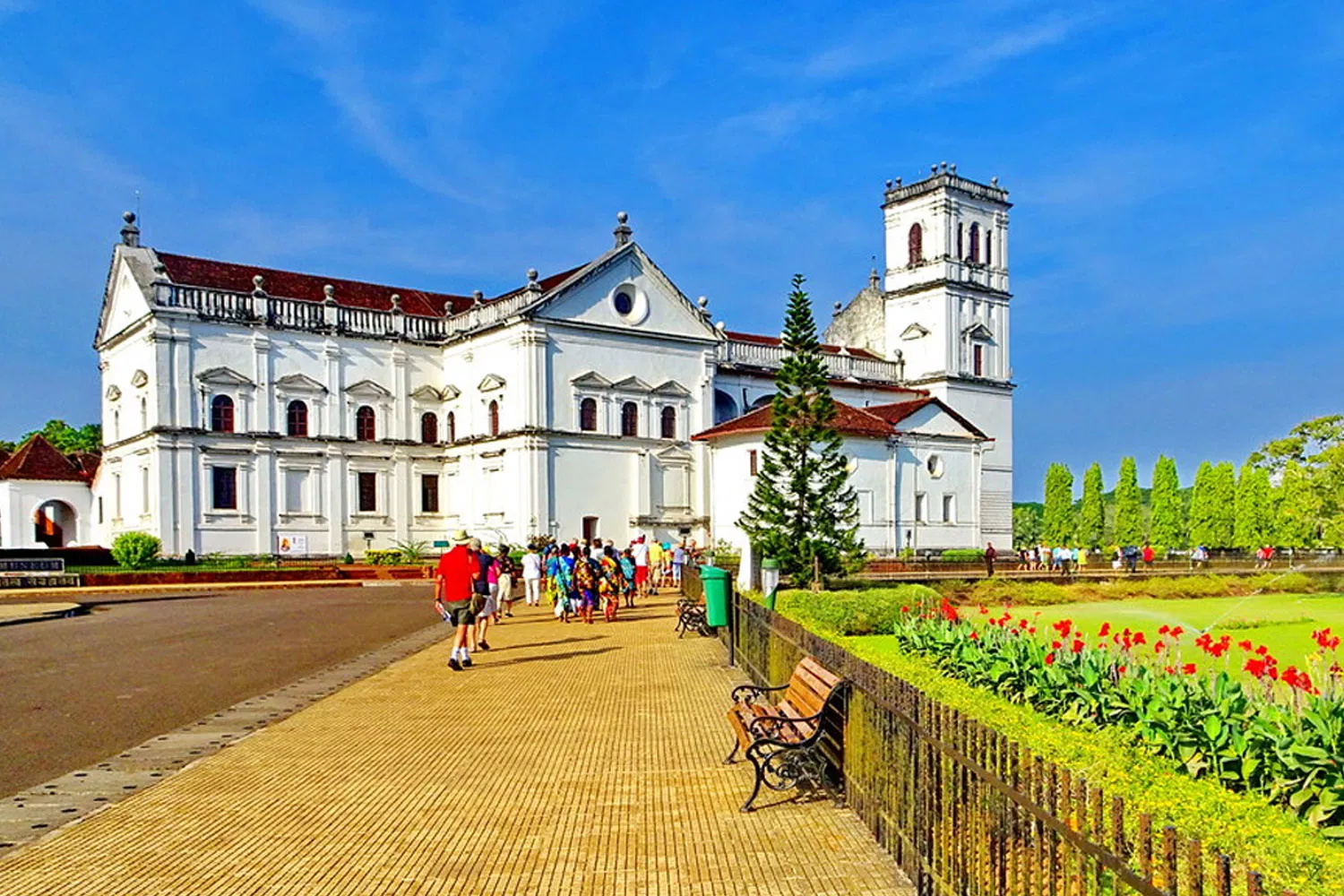
2. Sé Cathedral (1619)
- Largest church in Asia dedicated to St. Catherine of Alexandria
- Features the Golden Bell, famous for its rich tone
- Portuguese-Manueline architecture with Tuscan exterior and Corinthian interior
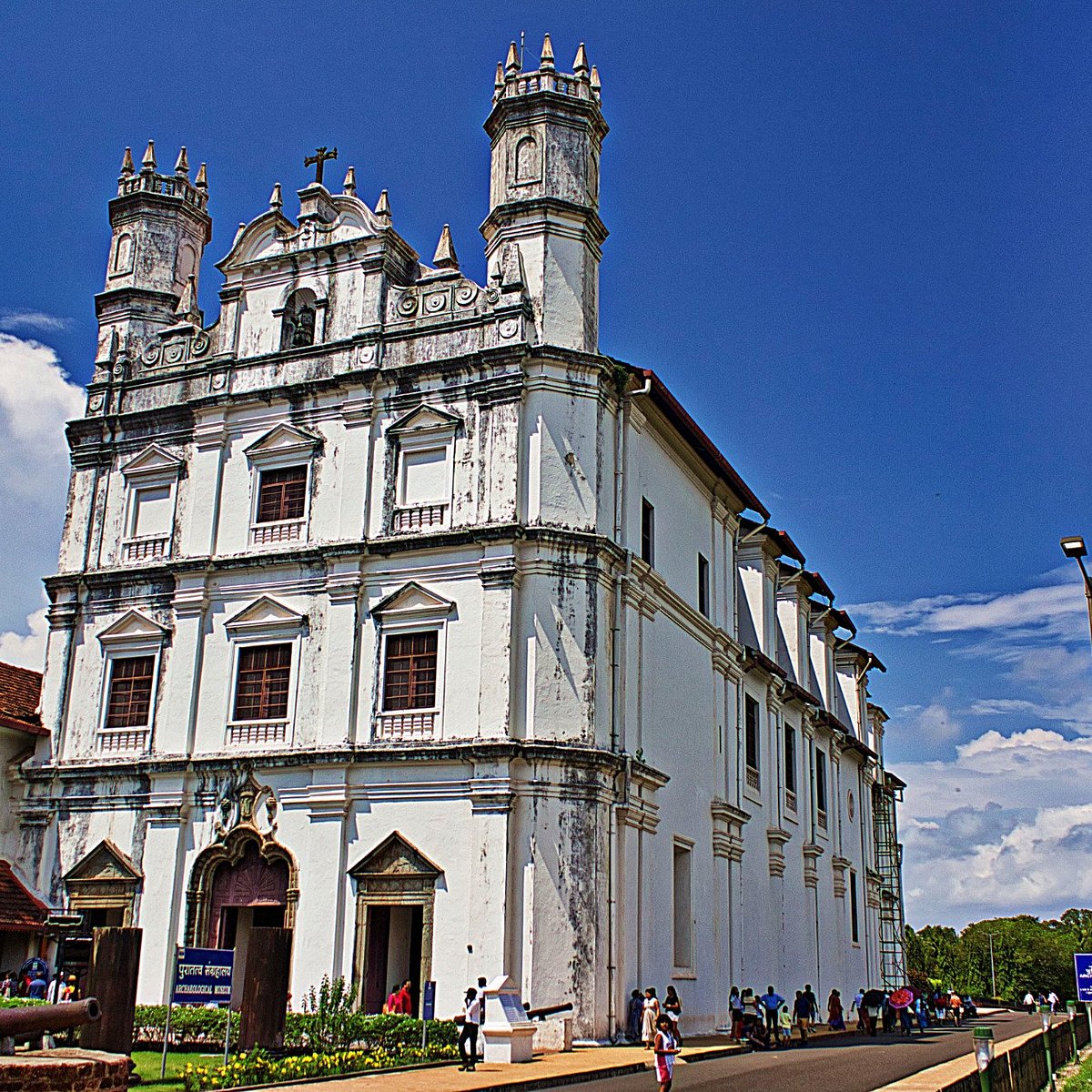
3. Church of St. Francis of Assisi
- Originally built in 1517, rebuilt in 1661
- Adjacent to an archaeological museum with Hindu artifacts from pre-Portuguese Goa
- Notable for its gilded woodwork and intricate paintings
Pro Tip: Visit early morning (8-9 AM) to avoid crowds and experience the churches in peaceful solitude. Hire a guide (?200-300) for fascinating historical anecdotes.
Part 2: Fontainhas - Asia's Only Latin Quarter
Location: Panaji (Panjim) | Best Time: Evening for ambiance
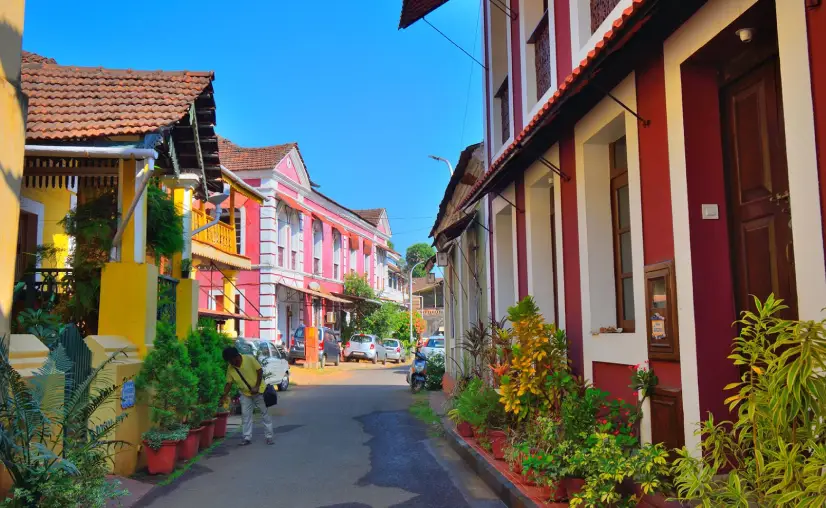
Step into Fontainhas, and you'll swear you've been transported to a Portuguese village. This heritage precinct in Goa's capital is Asia's only Latin Quarter and offers:
What Makes It Special:
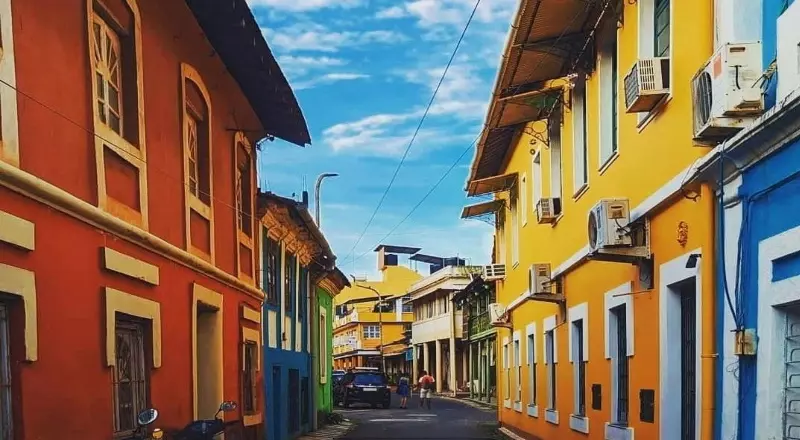
- Ochre, Indigo & Bubblegum Pink Houses: Traditional Portuguese-style homes with red-tiled roofs, oyster shell windows, and narrow winding streets
- Art Galleries: The Gitanjali Gallery hosts poetry readings and art exhibitions
- Maruti Temple: A unique Hindu temple with Portuguese architectural influence
- 31st January Road: The main street lined with cafes and heritage buildings
Experiences Not to Miss:
- Heritage walking tour (?500-800 per person)
- Dinner at Venite Restaurant - Goan-Portuguese cuisine in a 200-year-old house
- Photography at sunset when the colored houses glow golden
- Stay at a heritage homestay like Mateus Boutique Hotel
Insider Secret: Visit during Fontainhas Festival (February) when the entire quarter becomes an open-air art gallery with live music and food stalls.
Part 3: Spice Plantations - Goa's Fragrant Heart
Location: Ponda, Central Goa | Best Time: June-January (monsoon makes it lush)
Before beach tourism, Goa was the spice garden of India. The fertile hinterlands of Ponda still cultivate the same spices that attracted Portuguese traders in 1510.
Top Spice Plantations to Visit:
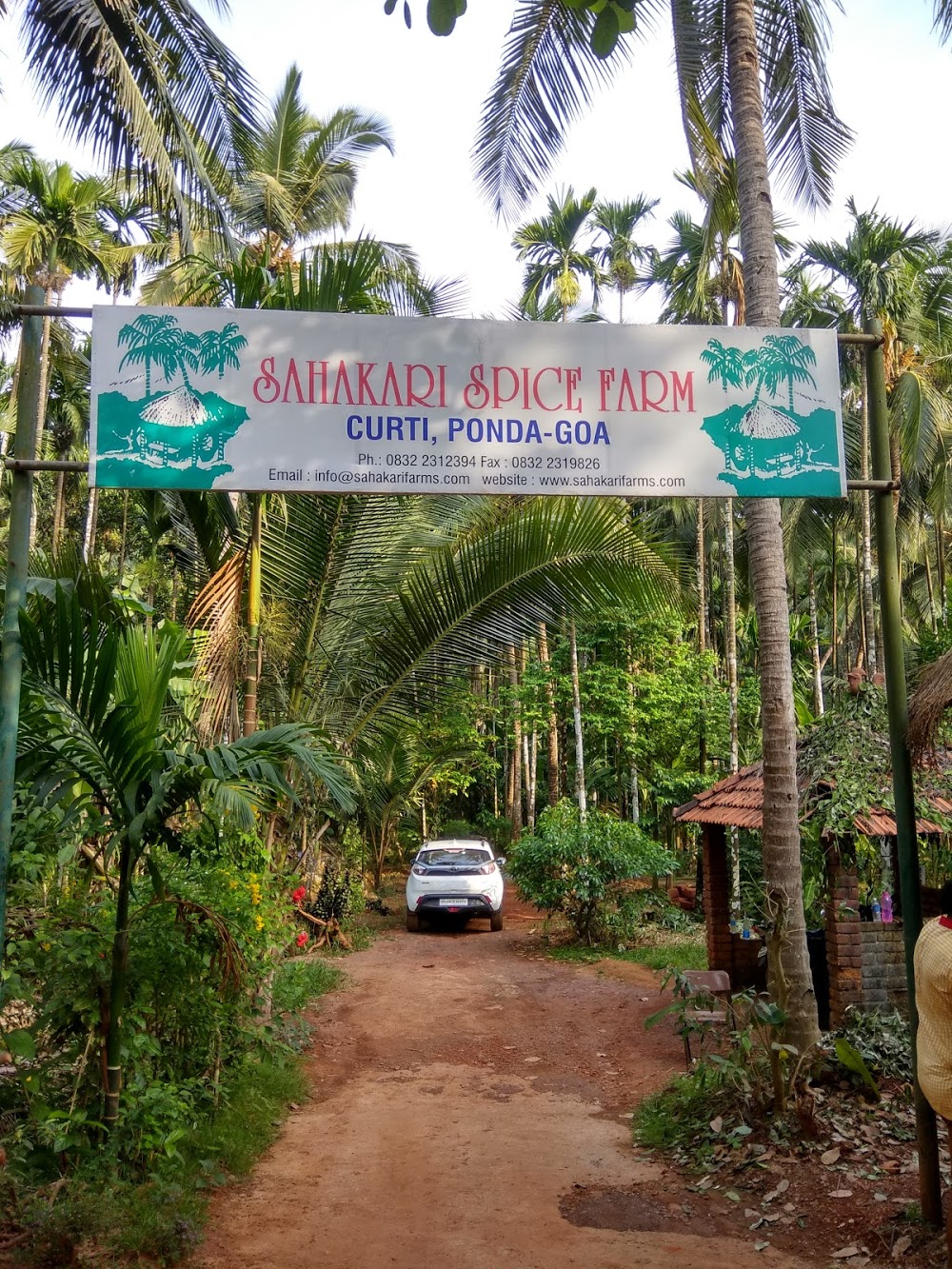
1. Sahakari Spice Farm
- Most popular and tourist-friendly
- Guided tours explaining cultivation of vanilla, cinnamon, cardamom, nutmeg
- Elephant rides and bathing (ethical concerns noted)
- Traditional Goan lunch included in entry (?400-600)
- Location: Curti, Ponda
2. Tropical Spice Plantation
- Organic farming practices
- Medicinal plant section with Ayurvedic herbs
- Butterfly garden and birdwatching opportunities
- Location: Keri, Ponda
3. Pascoal Spice Village
- Family-run and less commercial
- Authentic farm-to-table experience
- Spice shopping at wholesale prices
What You'll Discover:
| Spice | Interesting Fact |
|---|---|
| Vanilla | Second most expensive spice; hand-pollinated in Goa |
| Black Pepper | Called "Black Gold"; drove Portuguese colonization |
| Cardamom | "Queen of Spices"; grows in shade of banana trees |
| Cinnamon | Made from tree bark; harvested during monsoon |
| Nutmeg | Produces two spices: nutmeg (seed) and mace (aril) |
The Experience:
- Aromatherapy walk through cardamom forests
- Fresh spice tea tasting (turmeric, lemongrass, ginger)
- Traditional lunch served on banana leaves
- Spice shopping (authentic, cheaper than markets)
Pro Tip: Visit during June-September when monsoon rains make the plantations incredibly lush and aromatic.
Part 4: Hidden Heritage Gems
Reis Magos Fort (1551)
- Oldest fort in Goa, recently restored
- Views of Mandovi River and Panaji
- Cultural center hosting Goa Heritage Festival (January)
Museum of Christian Art
- Only museum of its kind in Asia
- Houses Indo-Portuguese Christian art from 16th-19th centuries
- Location: Santa Monica Convent, Old Goa
Ancestral Goa (Big Foot)
- Open-air museum depicting traditional Goan village life
- Legend of Big Foot - a footprint that grants wishes
- Location: Loutolim, South Goa
Part 5: Planning Your Heritage Trip
Suggested 3-Day Itinerary:
| Day | Morning | Afternoon | Evening |
|---|---|---|---|
| Day 1 | Old Goa churches (Basilica, Sé Cathedral) | Archaeological Museum | Sunset at Reis Magos Fort |
| Day 2 | Spice plantation tour (Ponda) | Lunch at plantation | Explore Fontainhas, dinner at Venite |
| Day 3 | Ancestral Goa museum | Margao market for spices | Sunset river cruise on Mandovi |
Practical Information:
Getting Around:
- Rent a scooter (?300-500/day) - best for flexibility
- Hire a taxi for full-day heritage tours (?2,000-3,000)
- Public buses connect Panaji to Old Goa (?20)
Entry Fees:
- Old Goa churches: Free (donations welcome)
- Museums: ?10-50 for Indians, ?100-200 for foreigners
- Spice plantations: ?400-600 (includes lunch)
Best Time to Visit:
- November-February: Pleasant weather, ideal for walking tours
- June-September: Lush spice plantations, fewer crowds
- Avoid March-May: Hot and humid
What to Wear:
- Modest clothing for churches (covered shoulders and knees)
- Comfortable walking shoes for cobblestone streets
- Light cotton clothes for plantation visits
Where to Stay: Heritage Hotels
| Property | Location | Style | Price Range |
|---|---|---|---|
| Mateus Boutique Hotel | Fontainhas | Portuguese heritage | ?4,000-6,000 |
| Old Quarter Hostel | Fontainhas | Budget heritage | ?1,500-2,500 |
| Casa Palacio Siolim House | Siolim | 17th-century mansion | ?8,000-12,000 |
| Pousada Tauma | Calangute | Boutique Indo-Portuguese | ?5,000-8,000 |
Conclusion: The Soul of Goa Awaits
Goa's beaches are beautiful, but they're just the surface of a multi-layered destination. The churches whisper 450 years of history, the Latin Quarter breathes Portuguese nostalgia, and the spice plantations tell stories of trade routes that changed the world.
The real Goa isn't found in beach shacks—it's in the silence of Old Goa's churches, the colors of Fontainhas' streets, and the fragrance of cardamom forests.
So on your next trip, venture inland. Book that heritage walk, visit that spice farm, and dine in a 200-year-old Portuguese house. The Goa beyond the beaches will surprise you.
Ready to explore? Find the best heritage hotels and guided tours on Wait4Trip.
Have you explored Goa's heritage side? Share your favorite hidden gem in the comments!
SEO Keywords Integrated:
- Goa beyond beaches
- Portuguese heritage Goa
- Old Goa churches
- Fontainhas Latin Quarter
- Spice plantations Goa
- UNESCO World Heritage Goa
- Things to do in Goa besides beaches
- Goa heritage tour
- St. Francis Xavier Basilica
- Sahakari Spice Farm
Powered by Froala Editor